
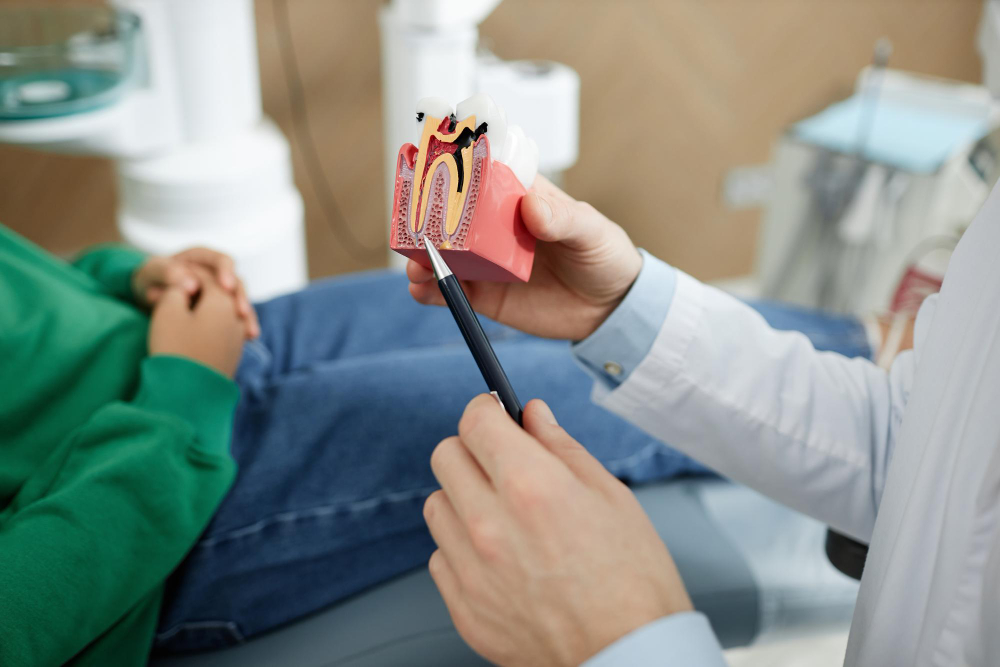
Introduction to Root Canal Treatment
Many people feel nervous when they hear about root canal treatment. This dental procedure helps save a tooth that is badly infected or damaged. In fact, root canal treatment removes the infected part inside the tooth, cleans it, and then seals it. Because of common myths, some people avoid this helpful treatment. However, learning the facts can help you make better choices for your dental health.
Common Myths About Root Canal Treatment
There are many myths about root canal treatment. Some of the most common ones include:
These myths can make people feel scared or unsure. Yet, the truth is often very different.
Scientific Facts That Debunk These Myths
Let us look at the facts that debunk these root canal myths:
Therefore, knowing these facts can help you feel more at ease about root canal safety.
The Root Canal Procedure: What to Expect
Understanding the steps can make you feel less anxious. Here is what usually happens:
Most people return to normal activities soon after the procedure. If you have questions, your dentist can explain each step.
Benefits and Safety of Root Canal Treatment
Root canal treatment offers many benefits. For example, it saves your natural tooth and relieves pain from infection. In addition, it helps you keep a healthy bite and smile. According to dental experts, root canal safety is very high. Dentists use strict cleaning methods to prevent infection. As a result, millions of people have safe and successful root canal treatments every year.
Tips for Oral Health After a Root Canal
After your root canal, good care helps your tooth last longer. Here are some tips:
By following these steps, you can protect your smile and avoid future problems.
When to Consult a Dentist
Sometimes, you may need a root canal if you have:
If you notice any of these signs, do not wait. Early treatment can save your tooth and prevent more pain.
Conclusion
In summary, many myths about root canal treatment are not true. Modern dental care makes the procedure safe and effective. If you have questions or concerns, consult a dental specialist Dr. Deepak Rathore for personalized advice about root canal treatment.