What Is Oral Health in Toddlers?
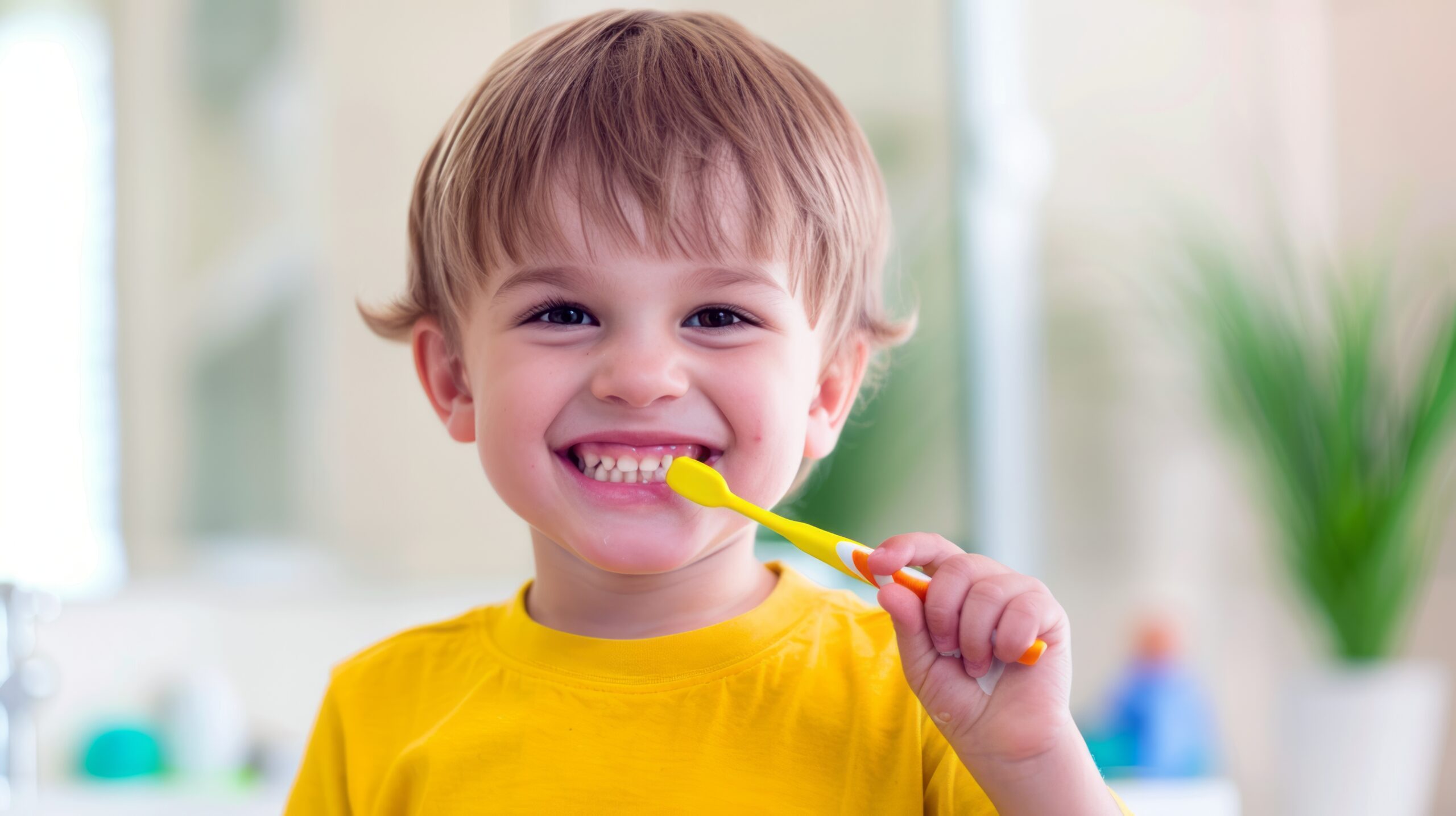
Oral health in toddlers means keeping your child’s mouth, teeth, and gums clean and healthy. Even though baby teeth are temporary, they play a big role in your child’s growth. For example, healthy teeth help your toddler eat, speak, and smile with confidence. Good oral care now can prevent problems later.
Why Is Oral Health Important for Toddlers?
Many parents wonder why oral health in toddlers matters so much. First, healthy baby teeth help your child chew food well. Also, they guide adult teeth into the right place. If baby teeth get damaged or lost early, it can cause speech or eating problems. In addition, poor oral health can lead to pain, infections, and trouble sleeping. According to the CDC, early dental care lowers the risk of cavities and other issues.
Common Oral Health Issues in Toddlers
Even young children can face dental problems. Some common oral health issues in toddlers include:
Because toddlers may not always say when something hurts, parents should watch for these signs.
Signs and Symptoms of Poor Oral Health
It is important to notice early signs of dental trouble. Look for these symptoms in your toddler:
If you see any of these signs, consider visiting a pediatric dentist soon.
How to Maintain Good Oral Hygiene in Toddlers
Good oral hygiene in toddlers starts with simple daily habits. Here are some easy tips:
With these steps, you can help prevent dental problems before they start.
Preventive Measures and Healthy Habits
Prevention is always better than cure. Therefore, try these healthy habits to protect your toddler’s teeth:
By following these steps, you can set your child up for a lifetime of healthy smiles.
When to Visit a Pediatric Dentist
It is best to take your toddler to a pediatric dentist by age one or within six months after the first tooth appears. Early visits help spot problems before they get worse. Also, regular check-ups every six months keep your child’s mouth healthy. If you notice pain, swelling, or changes in your child’s teeth or gums, schedule a visit right away.
Frequently Asked Questions (FAQs) About Toddler Oral Health
Conclusion
In summary, oral health in toddlers is very important for their growth and well-being. With simple daily care and regular dental visits, you can help your child avoid pain and enjoy a healthy smile. For the best advice, consult a pediatric dentist about your child’s oral health needs.