Introduction
Dental braces are special devices that help straighten teeth. They also fix bite problems and improve your smile. Many people, both children and adults, use dental braces. In fact, dental braces are one of the most common treatments in orthodontics. If you want to know how dental braces work, this guide will help you understand their purpose and process.
Benefits of Dental Braces
Dental braces offer many advantages. Not only do they improve how your teeth look, but they also help your mouth stay healthy. Here are some key benefits of dental braces:
As a result, dental braces can lead to better oral health and self-esteem.
Types of Dental Braces
There are several types of dental braces. Each type has its own features and benefits. Your dentist will help you choose the best one for your needs. Here are the main types of dental braces:
Because each type has pros and cons, it is important to discuss your options with your dentist.
The Procedure: What to Expect
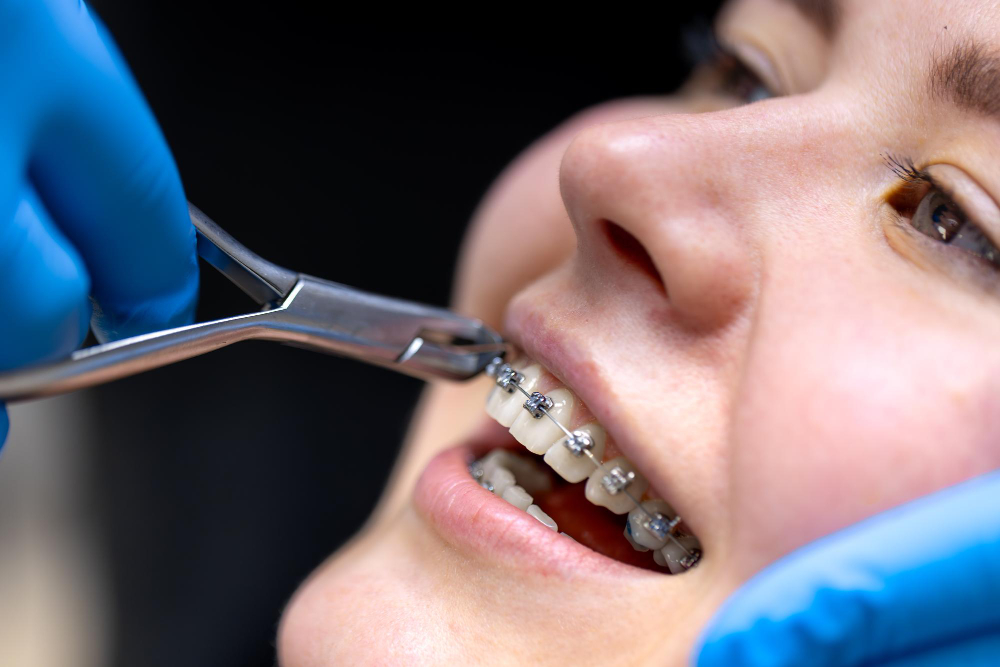
Getting dental braces is a step-by-step process. Although the steps may vary, most people follow a similar path. Here is what you can expect:
Because each person is different, the whole process can take from one to three years.
Care and Maintenance Tips
Proper dental braces care is important for good results. With the right habits, you can avoid problems and keep your mouth healthy. Here are some tips:
Because braces can trap food, keeping your teeth clean is even more important.
Common Myths and Facts
Many people hear stories about dental braces that are not true. Let’s clear up some common myths:
Because of these facts, you can feel more confident about choosing dental braces.
Potential Risks and Complications
Although dental braces are safe, there can be some risks. Knowing these helps you stay prepared. Possible issues include:
However, most problems are minor and can be fixed by your dentist. The American Association of Orthodontists and the CDC both stress the importance of good oral hygiene during treatment.
Conclusion and Next Steps
Dental braces can improve your smile and oral health. Because there are many types of dental braces, you have options that fit your needs. With proper care, you can enjoy the benefits of dental braces for years to come. If you are thinking about braces, consult a dental specialist Dr Deepak Rathore for personalized advice on dental braces.