Dental crowns are a common way to restore damaged teeth. Many people ask about the dental crown procedure and the types of dental crowns available. If you have a weak, broken, or decayed tooth, a dental crown may help. In this blog, you will learn what dental crowns are, when they are needed, and how they can improve your smile. You will also find tips for aftercare and answers to common questions. If you are searching for dental crowns near me or want to know about dental crown cost, keep reading for helpful information.
What Are Dental Crowns?
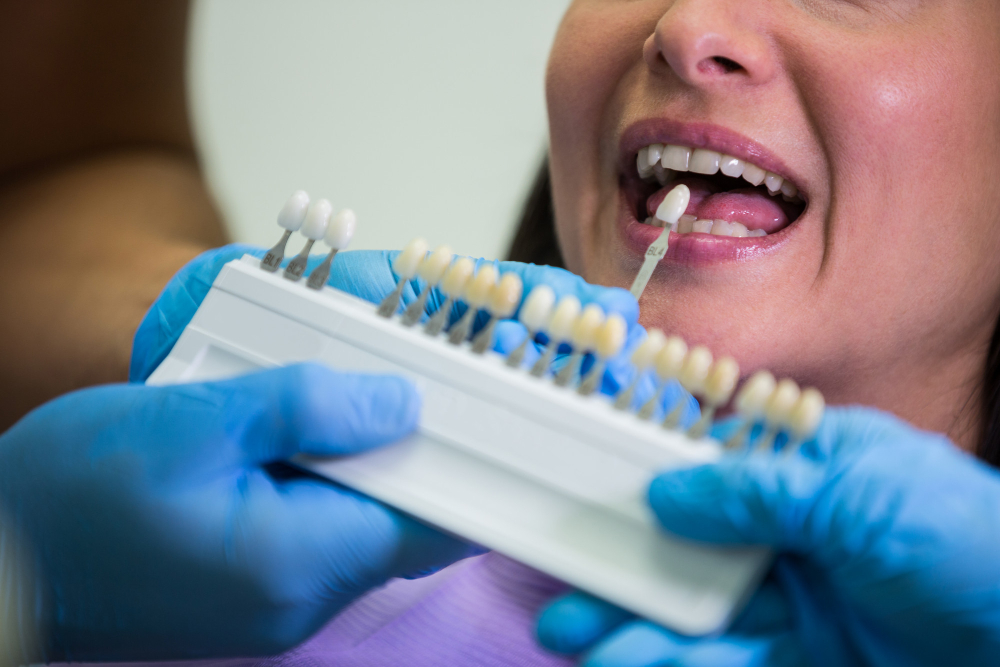
Simply put, a dental crown is a cap that covers a tooth. It looks and feels like a natural tooth. Dentists use crowns to protect, strengthen, or improve the look of a tooth. For example, if a tooth is cracked or worn down, a crown can help. Crowns are custom-made to fit your mouth. They can be made from different materials, such as metal, porcelain, or ceramic.
When Are Dental Crowns Needed?
There are many reasons why a dentist may suggest a crown. Often, crowns are used when a tooth is too weak for a filling. In other cases, crowns help after root canal treatment. Here are some common reasons:
Sometimes, children may need crowns for baby teeth if the tooth is badly decayed.
Types of Dental Crowns
There are several types of dental crowns. Each type has its own benefits. Your dentist will help you choose the best one for your needs. The main types include:
Each type has pros and cons. For example, metal crowns last longer, but porcelain crowns look more natural.
The Dental Crown Procedure (Step-by-Step)
The dental crown procedure usually takes two visits. Here is what you can expect:
Sometimes, dentists use new technology to make same-day crowns. In this case, you may get your crown in one visit.
Benefits of Dental Crowns
Dental crowns offer many benefits. Not only do they protect teeth, but they also improve your smile. Here are some key benefits:
Because crowns are custom-made, they fit well and feel comfortable.
Aftercare and Maintenance Tips
Proper care helps your dental crown last longer. Most crowns last between 5 and 15 years. However, with good habits, they may last even longer. Here are some tips:
If you grind your teeth at night, ask your dentist about a mouth guard. This can protect your crown and other teeth.
Potential Risks and Complications
Most people do not have problems with dental crowns. Still, there are some risks to know about. For example, you may feel some sensitivity after the procedure. Sometimes, the crown may become loose or fall off. Rarely, you may have an allergic reaction to the materials. If your bite feels off, your dentist can adjust the crown. Always let your dentist know if you have pain or swelling.
Frequently Asked Questions about Dental Crowns
Conclusion
Dental crowns are a safe and effective solution to restore and protect your teeth, improving both the appearance of your smile and your ability to chew. At Dr. Deepak Rathore, patients are carefully assessed to determine if dental crowns are the best option for their dental needs. With expert care from Dr. Deepak Rathore, you can make an informed decision to enhance both function and aesthetics.
If you think you may need a crown, consult Dr. Deepak Rathore to find out if dental crowns are the right choice for you.