What Is Gingivitis?
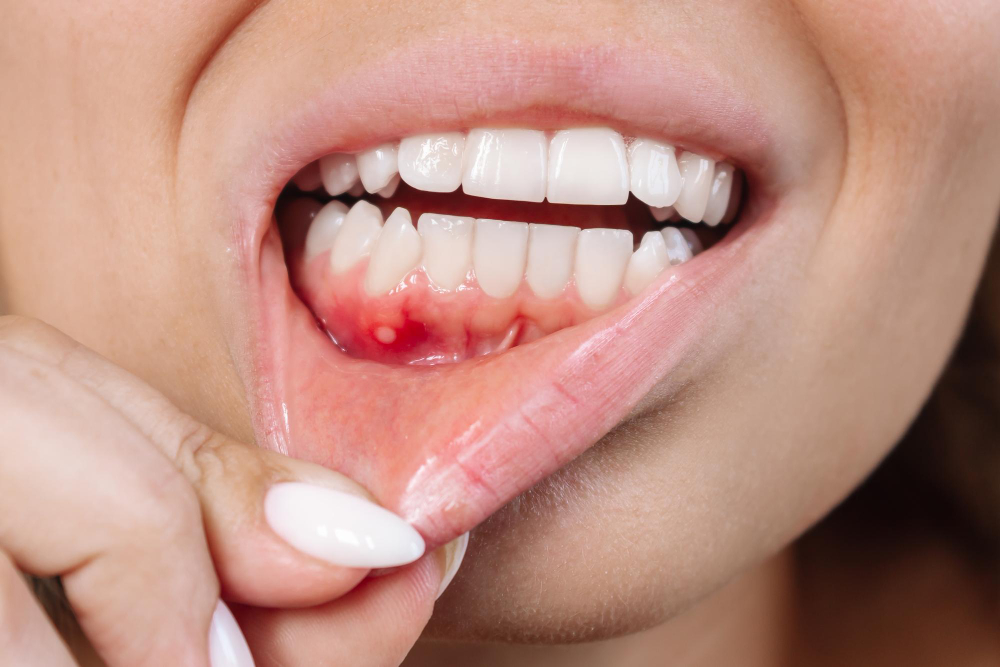
Gingivitis is a common gum disease. It causes redness, swelling, and bleeding of the gums. Many people do not know they have gingivitis because it can be mild at first. However, if left untreated, it can lead to more serious problems like periodontitis. Healthy gums are important for strong teeth and a bright smile. Understanding what is gingivitis helps you protect your dental health.
Symptoms of Gingivitis
Often, gingivitis symptoms are easy to miss. But early signs can help you catch the problem quickly. For example, you may notice:
Sometimes, you may not feel pain. Still, it is important to watch for these signs. Early treatment can prevent gum disease from getting worse.
Causes and Risk Factors
Gingivitis happens when plaque builds up on your teeth. Plaque is a sticky film made of bacteria. If you do not remove it with daily brushing and flossing, it can irritate your gums. Over time, this leads to gingivitis. In addition, several risk factors can make you more likely to get gingivitis:
Because these factors increase your risk, it is important to practice good oral care every day.
How Gingivitis Is Diagnosed
Usually, a dentist can diagnose gingivitis during a dental checkup. First, your dentist will look at your gums for redness, swelling, or bleeding. Next, they may use a small tool to check for pockets between your teeth and gums. Healthy gums fit snugly around your teeth. However, deep pockets can be a sign of gum disease. Sometimes, X-rays help check for bone loss. Early diagnosis makes gingivitis treatment easier and more effective.
Treatment Options for Gingivitis
Gingivitis treatment focuses on removing plaque and healing your gums. Your dentist may recommend:
In most cases, gingivitis goes away with good oral care and regular dental visits. But if it does not improve, your dentist may suggest other treatments. For example, they might recommend deep cleaning or special medications. If you are searching for “gingivitis treatment near you,” ask your local dentist for advice.
Prevention Tips and Oral Hygiene Guidance
Preventing gum disease is easier than treating it. Therefore, follow these oral hygiene tips to keep your gums healthy:
Because good habits make a big difference, start these steps today. Your smile will thank you!
When to See a Dentist
If you notice any gingivitis symptoms, do not wait. For example, bleeding gums or bad breath can be early signs. Even if you feel fine, regular dental visits help catch problems early. In addition, see your dentist if your gums stay red, swollen, or sore. Quick action can prevent serious gum disease and protect your teeth.
In summary, gingivitis is a mild gum disease that can lead to bigger problems if ignored. However, with good oral hygiene and regular dental care, you can prevent and treat gingivitis. Consult a dentist at Smile Life Multispeciality Dental Clinic for personalized advice on preventing and treating gingivitis.