Introduction
Many people wonder about the best way to keep their mouths healthy. Flossing vs mouthwash is a common debate in oral care. Both help with oral hygiene, but they work in different ways. Understanding the difference is important for a strong oral hygiene routine. Good habits can help prevent gum disease, tooth decay, and bad breath. In this blog, we will explore how flossing and mouthwash work, their benefits, and which one may be better for you.
What Is Flossing?
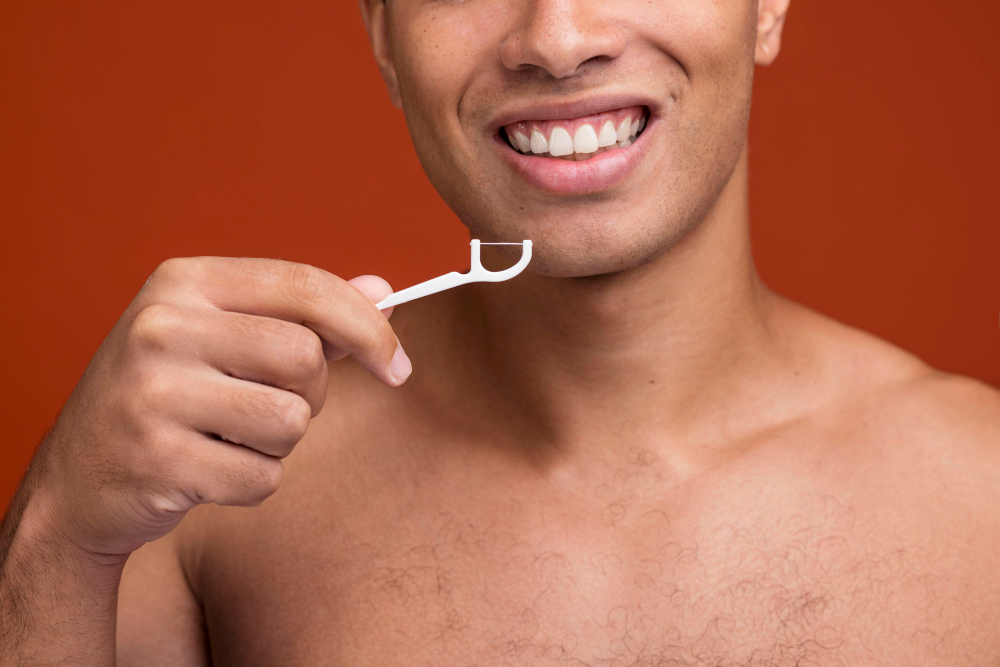
Flossing is a way to clean between your teeth. It uses a thin string called dental floss. You slide the floss gently between your teeth to remove food and plaque. Plaque is a sticky film that can cause cavities and gum disease. While brushing cleans the surface of your teeth, flossing reaches places your toothbrush cannot. For best results, floss once a day. The American Dental Association (ADA) recommends flossing as part of your daily oral hygiene routine.
What Is Mouthwash?
Mouthwash is a liquid used to rinse your mouth. It comes in many types, such as antibacterial, fluoride, and cosmetic mouthwashes. Some mouthwashes help kill germs, while others freshen breath or strengthen teeth. You swish the liquid in your mouth for about 30 seconds, then spit it out. Mouthwash can reach areas that brushing and flossing might miss. However, it should not replace brushing or flossing. The CDC and ADA both note that mouthwash can be a helpful addition to daily care.
Benefits of Flossing
Benefits of Mouthwash
Flossing vs Mouthwash: Key Differences
Both flossing and mouthwash help keep your mouth healthy, but they work in different ways. Flossing removes food and plaque from between teeth. Mouthwash kills germs and freshens breath. However, flossing is better at cleaning tight spaces. Mouthwash can reach areas that floss may miss, like the back of your mouth. Yet, mouthwash cannot remove food or plaque stuck between teeth. For this reason, experts say flossing is a must for cleaning between teeth. Mouthwash is a helpful extra step, but not a replacement for flossing or brushing.
Which Should You Choose?
Choosing between flossing and mouthwash depends on your needs. If you want to remove food and plaque, flossing is best. If you want to kill germs and freshen breath, mouthwash is helpful. However, most dentists recommend using both for the best results. For example, floss first to clean between teeth, then use mouthwash to rinse away germs. This two-step approach gives you a complete oral hygiene routine. If you have gum disease or braces, ask your dentist for advice. They can suggest the best products for you.
Tips for Better Oral Hygiene
Conclusion
In summary, both flossing and mouthwash play important roles in oral health. Flossing removes food and plaque, while mouthwash kills germs and freshens breath. For the best results, use both as part of your daily oral hygiene routine. Remember, good habits help prevent gum disease and tooth decay. Consult Dr. Deepak Rathore for personalized oral care advice.