What is Pediatric Periodontal Disease?
Pediatric periodontal disease is a gum problem that affects children. It is also called children’s gum disease. This condition causes swelling, redness, and sometimes bleeding of the gums. Although it is less common in kids than adults, it can still happen. Early care is important because, if left untreated, it can lead to tooth loss. According to the CDC, good oral health is key for children’s overall well-being.
Symptoms of Pediatric Periodontal Disease
Recognizing kids periodontal symptoms early can help prevent serious problems. Some signs may be mild at first. However, they can get worse over time. Watch for these symptoms:
If you notice any of these signs, it is important to act quickly. Early treatment for gum disease in children can prevent lasting damage.
Causes and Risk Factors
Many things can cause pediatric periodontal disease. Some children are more at risk than others. For example, poor brushing habits can lead to plaque buildup. Plaque is a sticky film of bacteria that harms gums. In addition, certain health conditions can increase risk. Here are some common causes and risk factors:
Because some risk factors cannot be changed, regular dental visits are important for all children.
Diagnosis and Screening
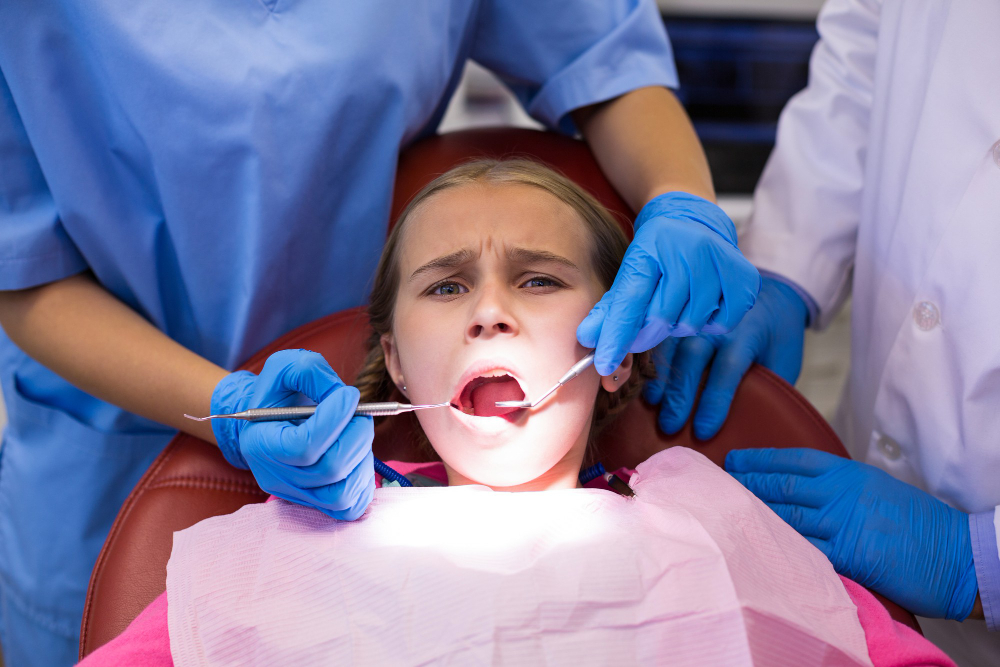
Early diagnosis of pediatric periodontal disease helps protect your child’s teeth. Dentists use several steps to check for gum disease in children. First, they look at the gums for swelling or redness. Next, they may gently probe the gums to see if they bleed. X-rays can also help spot bone loss or other problems. In some cases, dentists may ask about family history or health conditions. Regular check-ups make it easier to catch problems early. Therefore, it is wise to schedule dental visits every six months or as recommended.
Treatment Options
Treatment for gum disease in children depends on how severe it is. For mild cases, better brushing and flossing may be enough. However, more serious cases need extra care. Here are some common treatments:
After treatment, regular follow-up visits help keep gums healthy. Your dentist will guide you on the best plan for your child.
Prevention and Oral Hygiene Tips
Good oral care can prevent pediatric periodontal disease. Even young children should learn healthy habits. Here are some tips to protect your child’s gums:
Because prevention is easier than treatment, start these habits early. Most dentists also recommend parents help younger children brush and floss.
When to See a Dentist
It is important to see a dentist if you notice any signs of gum disease in your child. For example, bleeding gums or loose teeth should not be ignored. Even if your child has no symptoms, regular dental visits are key. Early care can stop problems before they get worse. If you live in a city with many dental clinics, choose one with experience in children’s dental care. Always ask your dentist about the best ways to keep your child’s gums healthy.
In summary, pediatric periodontal disease can be serious but is often preventable. Consult Dr. Deepak Rathore for personalized advice and early intervention.