What is Bruxism?
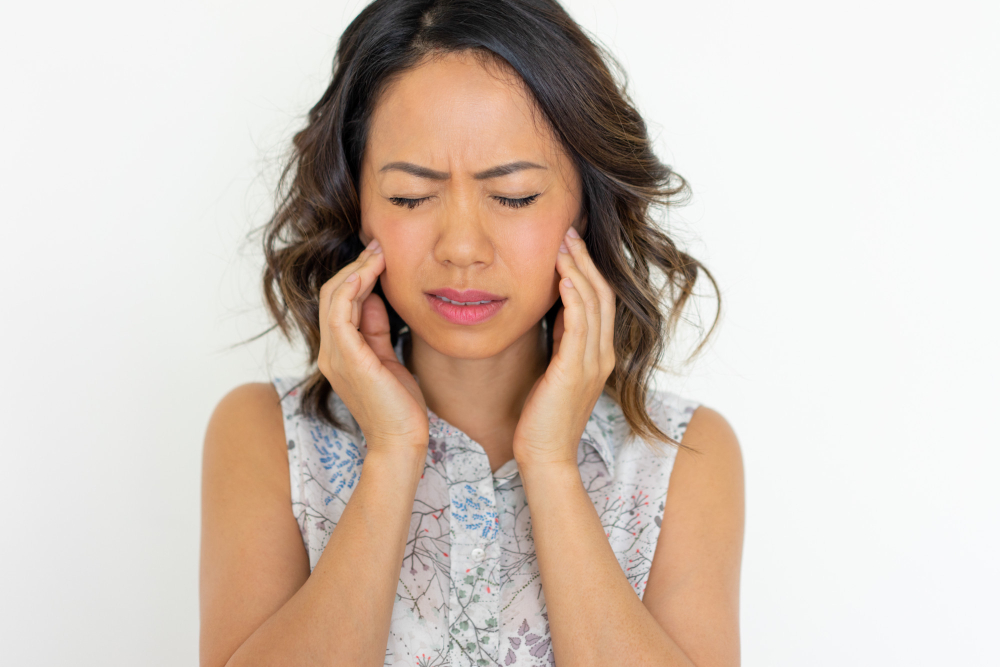
Bruxism is a condition where you grind, gnash, or clench your teeth. Many people do this without knowing, especially during sleep. Teeth grinding and jaw clenching can harm your teeth and jaw over time. According to the American Dental Association, bruxism affects both children and adults. While mild cases may not need treatment, severe bruxism can cause pain and dental problems. Therefore, it is important to understand the signs and seek help if needed.
Common Symptoms of Bruxism
Bruxism can be hard to notice at first. However, several signs may point to this condition. If you have any of these symptoms, you may want to talk to your dentist:
Sometimes, people do not notice these symptoms right away. But over time, the effects of teeth grinding can become more obvious.
Causes and Risk Factors
Bruxism has many possible causes. Often, stress or anxiety can lead to jaw clenching or teeth grinding. In addition, other factors may increase your risk:
Although anyone can develop bruxism, it is more common in children and young adults. According to the CDC, stress is a leading cause in adults.
How Bruxism is Diagnosed
Diagnosing bruxism usually starts with a dental exam. Your dentist will look for signs of teeth grinding, such as worn enamel or jaw tenderness. Sometimes, they may ask about your sleep habits or stress levels. In some cases, your dentist may suggest a sleep study to check for related problems, like sleep apnea. Early diagnosis can help prevent serious damage to your teeth and jaw.
Effective Treatment Options
There are several bruxism treatment options available. The right choice depends on how severe your symptoms are. Here are some common ways to stop bruxism:
Because each person is different, your dentist will suggest the best treatment for you. According to the Journal of Dental Research, mouthguards are often the first step in managing teeth grinding.
Lifestyle Tips and Prevention
While treatment helps, you can also take steps at home to prevent bruxism. For example, these tips may lower your risk:
Additionally, regular dental checkups can catch early signs of teeth grinding. Prevention is key to keeping your teeth and jaw healthy.
When to See a Dentist
If you notice signs of bruxism, do not wait to seek help. For instance, see a dentist if you have:
Early treatment can prevent long-term damage. Moreover, your dentist at Smile Life Multispeciality Dental Clinic can guide you on how to stop bruxism and protect your smile.
Consult Smile Life Multispeciality Dental Clinic for personalized advice on managing bruxism.